


Biometric Attendance Systems: Enhancing Workplace Security
- Aarav Home
- Nov 21, 2025
- 4 min read

In an era where workplace security is paramount, organizations are increasingly turning to biometric attendance systems. These systems not only streamline attendance tracking but also enhance security by ensuring that only authorized personnel can access sensitive areas. With the rise of technology, businesses are finding innovative ways to protect their assets and personnel. This blog post explores the benefits, challenges, and future of biometric attendance systems, providing insights for organizations looking to improve their security measures.
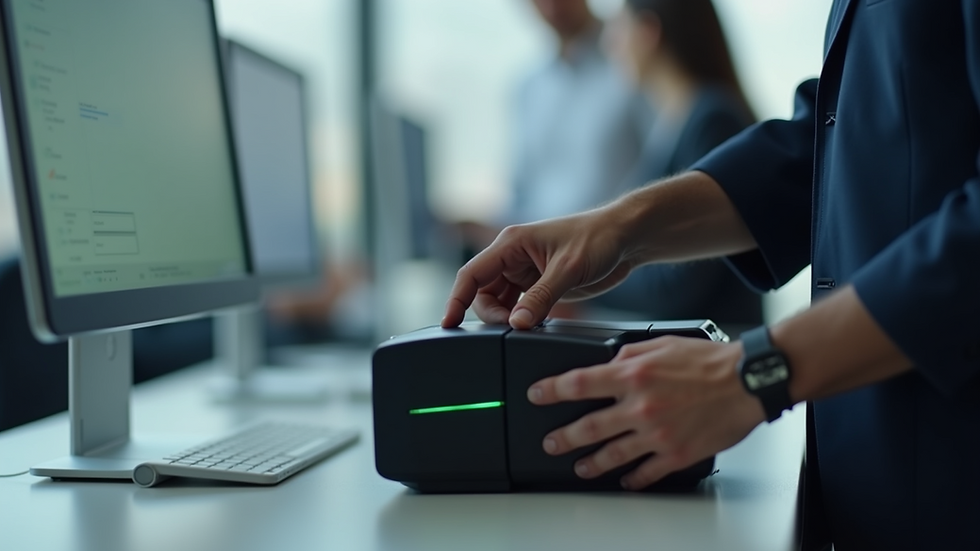
Understanding Biometric Attendance Systems
Biometric attendance systems utilize unique biological traits, such as fingerprints, facial recognition, or iris patterns, to verify an individual's identity. Unlike traditional methods, such as punch cards or manual logs, biometric systems offer a higher level of accuracy and security. Here are some key features of biometric attendance systems:
Accuracy: Biometric systems significantly reduce the chances of buddy punching, where one employee clocks in for another.
Speed: These systems can process individuals quickly, reducing wait times during peak hours.
Data Security: Biometric data is encrypted, making it difficult for unauthorized users to access sensitive information.
Benefits of Biometric Attendance Systems
Enhanced Security
One of the most significant advantages of biometric attendance systems is their ability to enhance security. By using unique biological traits, organizations can ensure that only authorized personnel gain access to restricted areas. This is particularly important in industries such as healthcare, finance, and technology, where sensitive information is handled.
Improved Accuracy
Biometric systems eliminate the common issues associated with traditional attendance tracking methods. For example, manual logs can be prone to human error, while punch cards can be lost or forgotten. Biometric systems provide a reliable and accurate way to track attendance, ensuring that organizations have a clear record of who is present at any given time.
Cost-Effectiveness
While the initial investment in biometric technology may be higher than traditional systems, the long-term savings can be substantial. Organizations can reduce labor costs associated with manual attendance tracking and minimize losses due to time theft. Additionally, the increased security can help prevent costly breaches.
Streamlined Processes
Biometric attendance systems can integrate seamlessly with existing HR and payroll systems. This integration allows for automatic updates to employee records, reducing administrative burdens and ensuring that payroll is processed accurately and on time.
Challenges of Implementing Biometric Systems
Privacy Concerns
Despite their benefits, biometric attendance systems raise privacy concerns among employees. Many individuals are apprehensive about providing their biometric data, fearing potential misuse or data breaches. Organizations must address these concerns by implementing strict data protection policies and ensuring transparency about how biometric data will be used.
Initial Costs
The upfront costs of implementing biometric attendance systems can be a barrier for some organizations. This includes the cost of hardware, software, and training employees to use the new system. However, as technology advances, prices are becoming more competitive, making it easier for organizations to adopt these systems.
Technical Issues
Like any technology, biometric systems can experience technical issues. Hardware malfunctions or software bugs can disrupt attendance tracking, leading to frustration among employees and management. Organizations must have a plan in place for regular maintenance and troubleshooting to minimize downtime.
Real-World Examples of Biometric Attendance Systems
Case Study: A Healthcare Facility
A large healthcare facility implemented a biometric attendance system to enhance security and streamline attendance tracking. By using fingerprint scanners at entry points, the facility reduced unauthorized access to sensitive areas. The system also integrated with their payroll software, ensuring accurate tracking of employee hours. As a result, the facility reported a 30% reduction in time theft and improved overall security.
Case Study: A Manufacturing Plant
A manufacturing plant faced challenges with manual attendance tracking, leading to discrepancies in payroll. They adopted a facial recognition system to improve accuracy and efficiency. Employees were required to scan their faces upon entering and exiting the facility. The plant saw a significant decrease in payroll errors and an increase in employee satisfaction due to the streamlined process.
The Future of Biometric Attendance Systems
As technology continues to evolve, biometric attendance systems are likely to become even more sophisticated. Here are some trends to watch for in the coming years:
Integration with AI
Artificial intelligence (AI) is set to play a significant role in the future of biometric systems. AI can enhance the accuracy of facial recognition and fingerprint scanning, making these systems even more reliable. Additionally, AI can analyze attendance patterns, helping organizations identify trends and make informed decisions.
Mobile Biometric Solutions
With the rise of remote work, mobile biometric solutions are becoming increasingly popular. Organizations are exploring ways to allow employees to clock in and out using their smartphones, providing flexibility while maintaining security. This trend is particularly relevant in industries where remote work is becoming the norm.
Enhanced Data Protection
As concerns about data privacy grow, organizations will need to prioritize data protection in their biometric systems. This includes implementing robust encryption methods and ensuring compliance with data protection regulations. Organizations that prioritize data security will build trust with their employees and customers.
Conclusion
Biometric attendance systems offer a powerful solution for enhancing workplace security and improving attendance tracking. While there are challenges to consider, the benefits far outweigh the drawbacks. Organizations that invest in biometric technology can expect increased accuracy, reduced costs, and improved security. As technology continues to advance, the future of biometric attendance systems looks promising, with innovations that will further enhance their effectiveness.
For organizations considering this transition, it is essential to address privacy concerns and ensure that employees feel comfortable with the technology. By doing so, businesses can create a secure and efficient workplace that benefits everyone involved.


Comments